After I was diagnosed (I don’t like that terminology when it comes to this as it sounds fatal) as autistic a few years ago, I learned a lot about my behaviors and actions that I do consciously and subconsciously.
One thing I always struggled with was eye contact. I have a difficult time keeping eye contact in a conversation. Before my diagnosis I knew it was, well, expected that I maintain eye contact in conversation so I would try very hard to do that. The problem was that it was clear that I was making an increased effort to do that and sometimes it came off as a little uncomfortable.
But as I learned after my diagnoses, difficulty in keeping eye contact and autism is pretty normal. So, I stopped forcing myself to, well, be normal when it came to conversation. This is commonly called “unmasking”. I unmask around my wife and around a few friends and I think they are now used to chatting with me as I look in a different direction or pace around or basically do anything else besides make eye contact.
And yes, it likely looks incredibly rude but I have found that if I don’t put in that extra effort into trying to “be normal” in a conversation I can put that energy into listening. Unmasking is a huge relief when I am around people I am comfortable with.
Another trait is having very specific interests and being very, VERY into them. I don’t LIKE a lot of stuff, but I do LOVE a few things. And the things I love? I know EVERYTHING about them.
Learning I am autistic made me want to know EVERYTHING about autism so I read and still read everything I could to get a little insight as to what makes me tick. One aspect I was particularly keen on learning was about people like myself who are diagnosed late in life.
I knew that there was something unique about me so I would compensate for that uniqueness by adjusting my behavior to make others comfortable around me, such as trying too hard to maintain eye contact with someone. Now that I am learning why I am wired the way I am, I can look back and things make a lot more sense not only to myself but to others around me.
“Yeah, that makes sense” is the thing I heard the most when I told others about my autism.
One thing I learned recently is that for autistics who are diagnosed late in life it’s not unusual for them to start unmasking other traits about themselves, not just about behaviors that are characteristics of autism.
These traits can include sexuality and gender identity.
I think many of us can relate to feeling that we need to hide aspects of ourselves when it comes to gender identity and what we wear (or want to wear). We likely hide this from others for various reasons but I think we all know that it gets tiring. It’s not uncommon for us to want to stop hiding who we are but again, for various reasons we are not always able to be who we are.
Over the last year or so the masking (if you will) of my gender identity is feeling more and more pointless and exhausting. Having learned that this is pretty normal for autistics is a comfort, actually. Before my diagnosis I did my best to acclimate to others and social norms and to do my best to fit into society. Gender presentation is not unlike that. The world expects us to wear certain clothes because of societal and gender norms. So, we follow the “rules” even though these rules are pointless and arbitrary. I dress as a boy around most of the people in my life because like forcing myself to make eye contact, much of my behavior is done to make others comfortable.
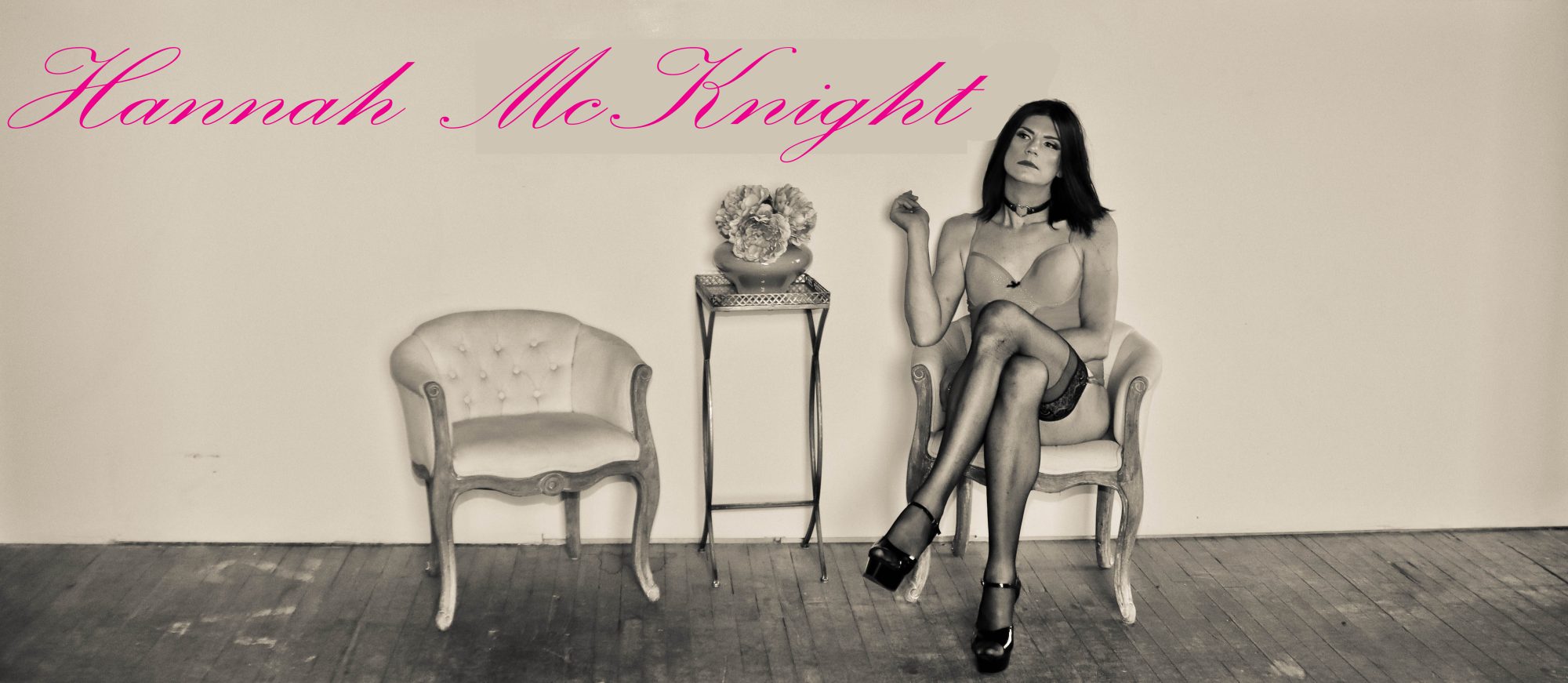
This is not to say that I want Hannah to be around more often, but it’s more about living authentically as a non-binary person. I have been traveling a lot lately for work and I hate sitting on an airplane for three hours in jeans. Leggings would be so much more comfortable. When I work in the office during these trips I am likely in a tie and ugly loafers when I would much rather be wearing almost anything else.
Again, this is not about Hannah flying pretty or going to work in a pencil skirt (although that would be amazing), but it’s about unmasking myself when it comes to my gender identity.
The older I get, the more I understand how much I do (and possibly you as well) is done to make others feel comfortable. I also understand how exhausting it is and really how pointless it is. Why am I making this effort for the benefit of others?
I feel like I am getting closer to wearing more femme clothes in male mode and I am constantly looking for ways to do that. I dress how I want in my home and in my hotel room when I travel, but the rest of the world? Mmm, not yet.
But the mask is slipping.
Love, Hannah
 Hannah McKnight
I have an autistic brother. Another aspect of autism is OCD – do you have that?
LikeLike
I don’t… but I suppose I have some similar traits. Like, like things organized in a certain way (bookshelves, record collection, etc) which can be an autistic trait but I suppose it could also be viewed as OCD.
Love, Hannah
LikeLike
Attention Deficit Disorder has been a challenge for me all these years. Have been prescribed medication for over 28 years concerning anti depressants with modifiers. Autism does differ with it’s symptoms and the severity can limit daily life. OCD is a trait most of us share, and the ones with strong symptoms are fun to observe.
Many thanks for this subject discussion to Hanna. Planning to learn more about autism.
LikeLiked by 1 person
Hannah, thank you for writing about your autism. I just wanted you to know that I am a late in life recognizing I am autistic. And I only found out about it because of YOU talking about it on your blog. I never knew what autism was, and then was diagnosed. So, I am 50+ in life, and found out within a few years I was transgender and autistic. Every little quirk about my life looking back over the years can be attributed to those 2 things. Pretty crazy. Again, thank you for writing about it so others can be educated. It helped me.
-Christina Cross
LikeLiked by 1 person